

Nick Carroll
I've spent 30 years building legal publishing infrastructure. I founded publish.law to help attorneys turn their cases, insights, and credentials into a digital presence they own, built for how clients, referral sources, and AI systems find lawyers today.
Notes
-
AI Overviews are now showing up where the local map pack used to live. Ranking in the three-pack isn't enough anymore if an AI Overview is sitting above it. Local search is how a lot of people find you by name. Getting into those AI answers requires a different kind of authority signal than a Google Business Profile star count.
#AISearch #LawFirmSEO #SmallLawFirm
-
OpenAI's new Business Hub lets you claim a listing and see how often your name appears in ChatGPT responses, with one catch: a bare name mention doesn't count. It has to be a contextual mention. Claim your listing now so you have a baseline. A publish.law site's /llms.txt gives ChatGPT's crawler a clean, structured read on who you are, which is worth having before you start tracking.
#AISearch #SmallLawFirm
-
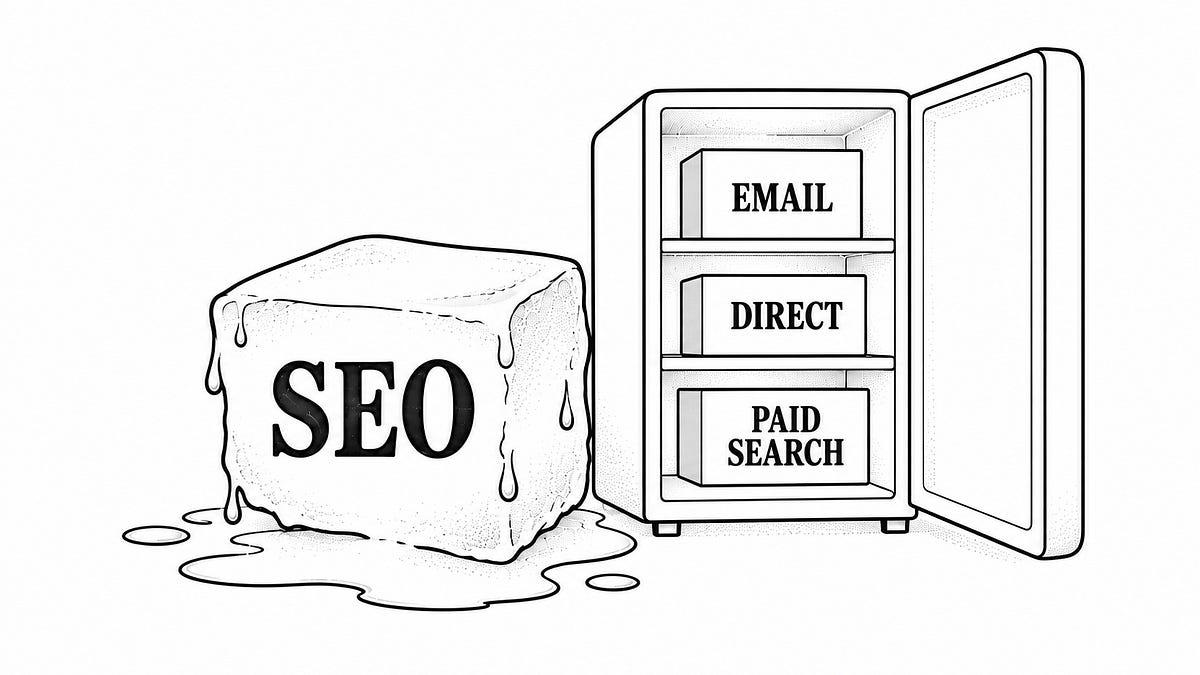
Similarweb data shows email and direct traffic holding up as organic search loses ground. If you've been counting on Google to bring people to your site, this is a nudge to build something you own: a subscriber list, a newsletter, an audience that comes back without needing to find you first.
#LawFirmSEO #LawFirmMarketing #SmallLawFirm
-
HubSpot's organic traffic dropped by 80% but revenue held because they'd built a direct audience that didn't depend on Google. If you've been treating your site purely as an SEO play, this is the case for building relationships that don't run through search. On publish.law, reader accounts can follow, like, reply, and comment, creating a direct audience independent of search traffic.
#LawFirmSEO #SmallLawFirm #LawFirmMarketing
-
Pages that AI systems actually cite tend to answer the question in the first few lines, not three paragraphs in. If your posts bury the point, they get pulled up but not quoted. A publish.law site serves your content with an /llms.txt index and per-post structure AI crawlers can read, but leading with the answer is still on you.
www.searchenginejournal.com/ai-cited-pages-more-ofte…
#AISearch #SmallLawFirm -
One in five ChatGPT conversations is someone looking something up, not generating text. That's a real slice of the people who might be researching a legal problem. If your name and writing aren't in the sources AI pulls from, you're invisible to that audience entirely.
#AISearch #SmallLawFirm #LawFirmMarketing
-
There's a difference between getting credit in analytics and actually shaping what AI learns about you. This piece draws that line clearly: attribution tracks where traffic came from, but AI influence is built through what's published and how it's associated with your name. Worth understanding before you read too much into your referral data.
-
Personal AI agents shop, research, and recommend on behalf of users without them ever visiting a search results page. If someone asks their agent to find a good estate planning attorney, your site needs to be readable by machines, not just humans. That means structured content on a domain you control, with clear signals about who you are and what you handle.
-
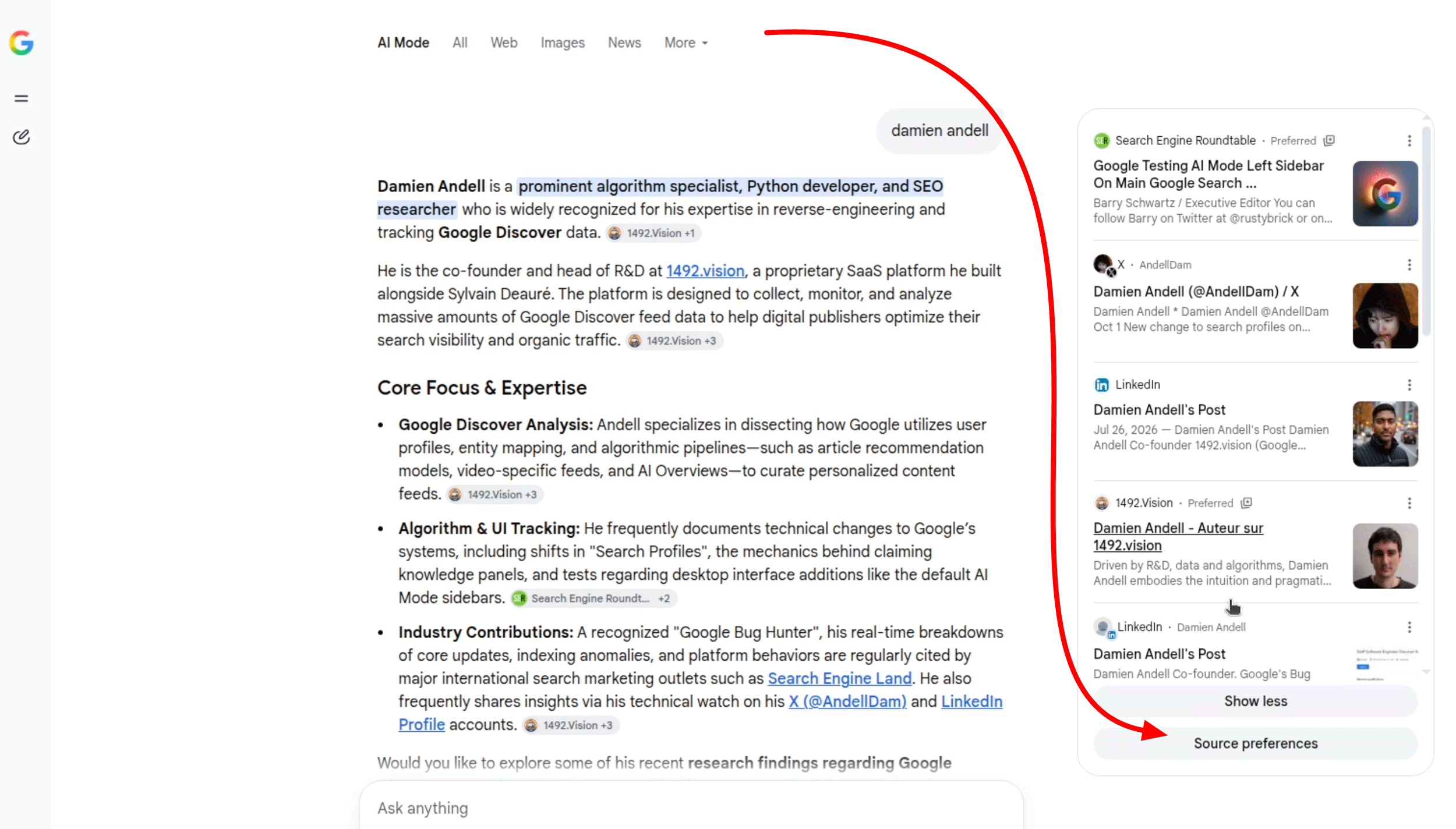
Google is testing a feature that lets users pick which sources AI Mode pulls from. If someone's already familiar with your writing, they could set your site as a preferred source and get answers drawn directly from your content. Building a recognizable name now, before this rolls out broadly, is how you end up on those lists.
-
Google is building a separate content ingestion lane for user-generated content like forum posts and social answers, bypassing the normal crawl. If you're answering legal questions publicly, whether on Reddit, LinkedIn, or your own site, this changes how fast that content can surface in search. Your direct answers may now move faster than your polished articles.











Subscribe to Nick Carroll
Get new posts delivered to your inbox.